Obsession Review: When Love Becomes the Most Dangerous Addiction
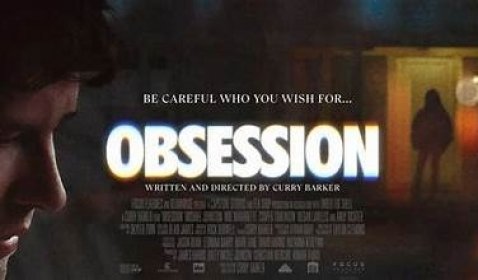
Love stories often celebrate devotion, sacrifice, and happily-ever-afters. Obsession takes that familiar idea, twists it into something deeply unsettling, and asks a question that's difficult to shake: if you could force someone to love you, would it still be love?
Written and directed by Curry Barker, Obsession begins with a premise that sounds deceptively simple. A lonely young man, Bear, makes a desperate wish to win the affection of the woman he's always loved. But wishes, especially in horror films, rarely come without consequences. What unfolds isn't a conventional supernatural thriller, but a psychologically rich character study disguised as horror.
Rather than chasing constant scares, Barker focuses on atmosphere. Every scene feels deliberately composed to create discomfort, allowing tension to build gradually until even the smallest interactions feel threatening. The horror doesn't come from what suddenly appears on screen—it comes from the growing realization that something fundamental about love has been broken.
Michael Johnston delivers a remarkably restrained performance as Bear. He plays the character with enough vulnerability that his loneliness feels genuine, making his increasingly questionable decisions feel tragically believable rather than cartoonishly sinister. The film never excuses his actions, but it understands the emotional emptiness that drives them, creating a protagonist who is as heartbreaking as he is disturbing.
If Johnston provides the emotional foundation, Inde Navarrette becomes the film's emotional earthquake. Her performance constantly shifts between tenderness, fear, and quiet menace, often within the same sequence. She brings an unpredictability that keeps every scene alive, and it's easy to understand why critics have highlighted her work as one of the film's greatest strengths.
One of Obsession's biggest achievements is its confidence in restraint. Barker rarely overexplains the supernatural mythology, choosing instead to let mystery become part of the horror. That ambiguity makes the film feel more unsettling because it trusts the audience to fill in the emotional gaps themselves. Even visually, the film avoids flashy spectacle, relying instead on careful framing, muted lighting, and oppressive silence to create an atmosphere that lingers long after each scene ends.
The film isn't without imperfections. Its measured pacing may test viewers expecting a more traditional horror experience, particularly during its first act. Some supporting characters exist primarily to move the story forward, leaving them less memorable than the central performances. Yet these shortcomings feel minor compared to the emotional weight Barker manages to sustain throughout the film.
What ultimately elevates Obsession is its refusal to settle for easy answers. Beneath the supernatural elements lies a surprisingly thoughtful exploration of loneliness, emotional dependency, and the dangerous desire to possess another person rather than truly love them. It's horror with genuine thematic substance, asking uncomfortable questions instead of simply delivering temporary scares.
By the time the credits roll, Obsession leaves behind more than moments of fear. It leaves a lingering sense of sadness, forcing viewers to reflect on the difference between affection freely given and affection taken by force. That emotional complexity is what separates it from many contemporary horror films.
As Roger Ebert's review notes, Barker approaches the material with remarkable confidence, blending psychological horror with emotional vulnerability in a way that makes the film feel both intimate and deeply unnerving. Rather than relying on genre conventions, Obsession succeeds because it remains committed to its characters and the unsettling ideas at the heart of its story.
Verdict
Obsession is a quietly devastating psychological horror that values emotional tension over cheap thrills. Anchored by compelling performances, confident direction, and a haunting exploration of love, loneliness, and control, it delivers an experience that is as thought-provoking as it is unsettling. It may not be the loudest horror film of the year, but it's certainly one of the most memorable.
Rating: ★★★★½ (9/10)
Do you like it? Let's share it!



NOW SHOWING




COMING SOON